About Me
Hi, I’m Ankit Gupta, a student from Jharkhand, India, with a strong passion for technology and innovation. I enjoy exploring new technologies, building electronics and robotics projects, and continuously learning through hands-on experimentation. I’m always excited to discover new opportunities that allow me to expand my skills, create meaningful projects, and push the boundaries of what I can build.
Introduction
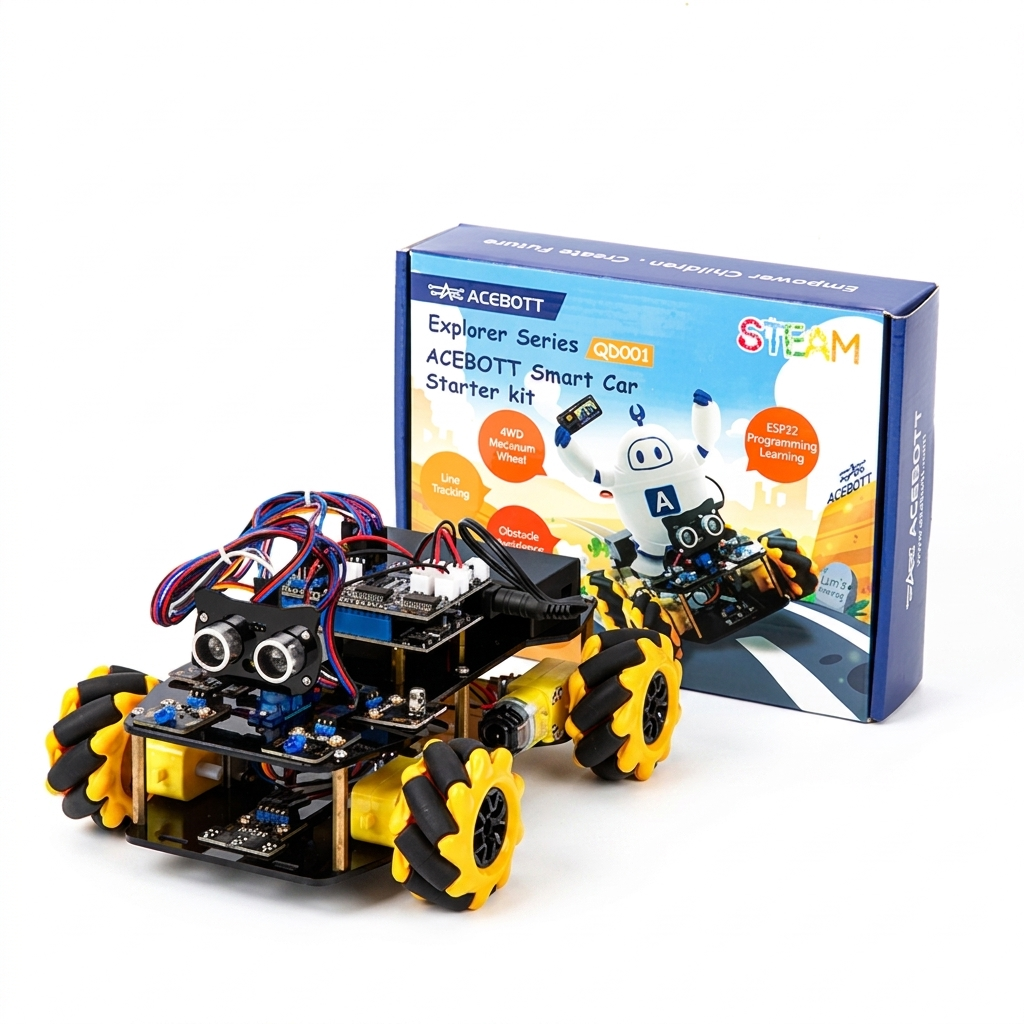
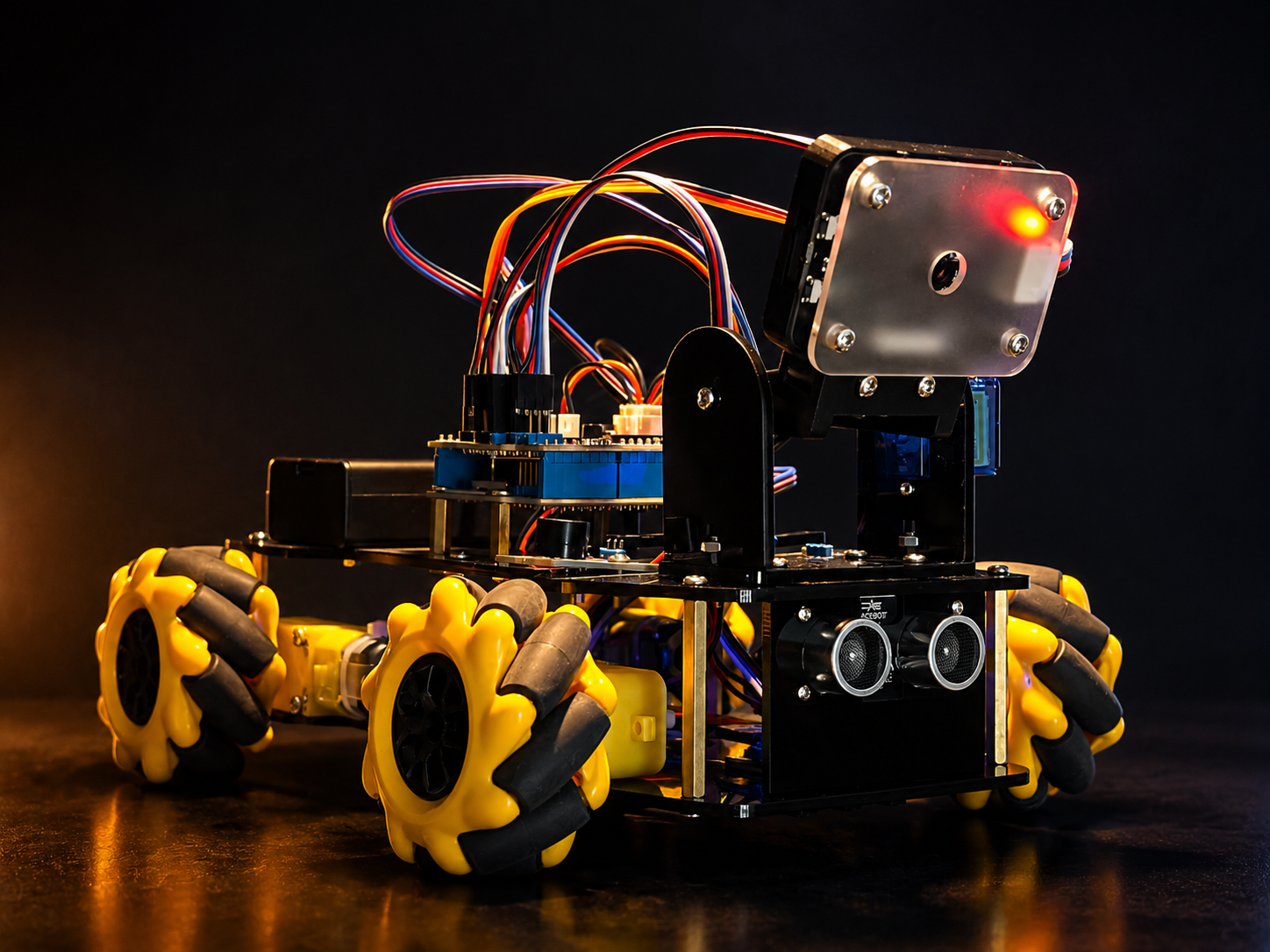
A few months ago, I had the opportunity to build the ACEBOTT QD001 Smart Car, and it was one of the most enjoyable robotics projects I had worked on. The combination of electronics, programming, and mechanical assembly made it a great learning experience.
At that time, I thought the project was complete.
Then I discovered that acebott offers expansion packs that can completely transform the QD001 into something much more powerful. Naturally, my curiosity took over.
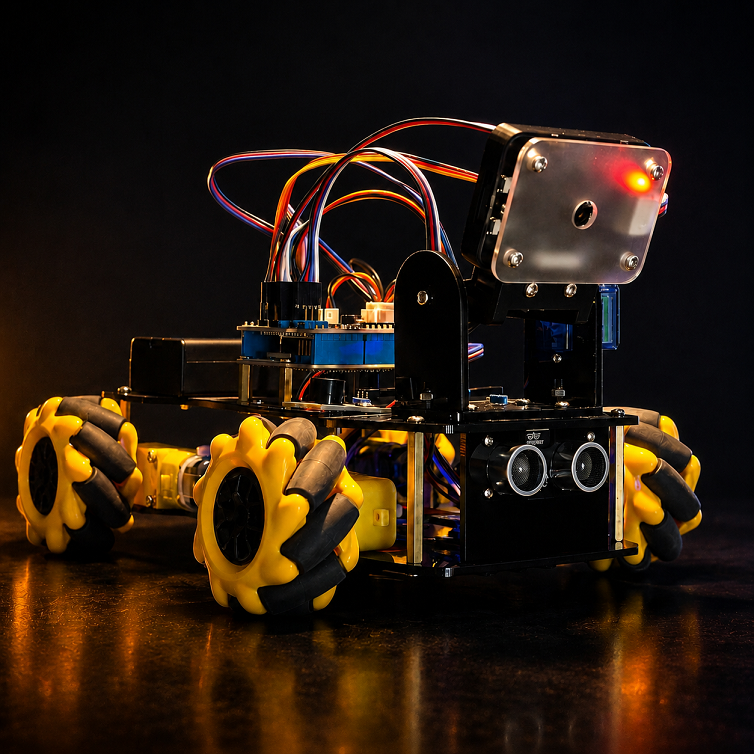
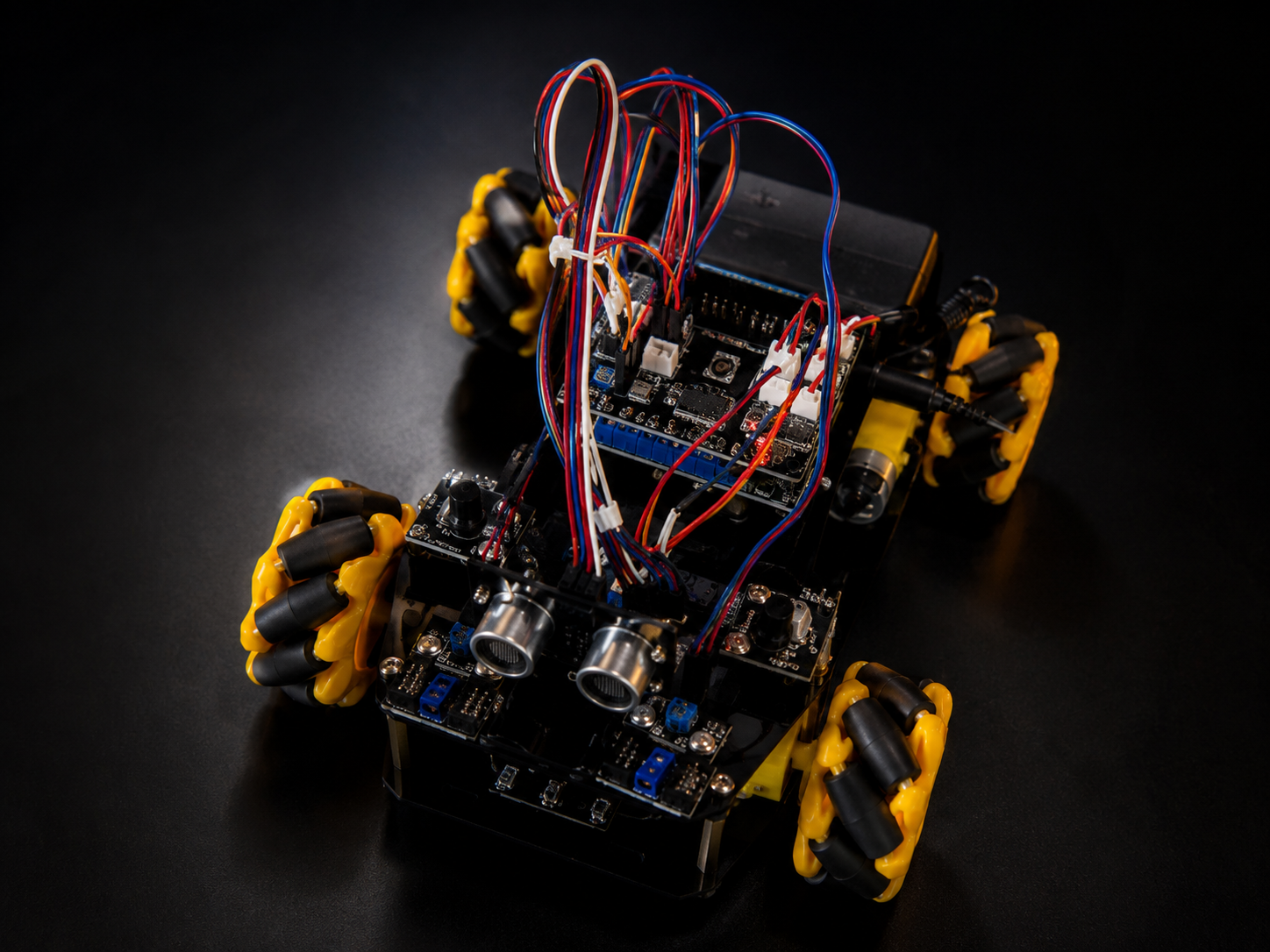
This time, I got the chance to work with the QD002 ESP32 Camera Expansion Pack and the QD003 AI Vision Expansion Pack. What started as a simple smart car quickly evolved into a robot capable of live video streaming, face recognition, color recognition, QR code recognition, and much more.
As someone who loves exploring new technologies, this was exactly the kind of project I enjoy diving into.
First Impressions
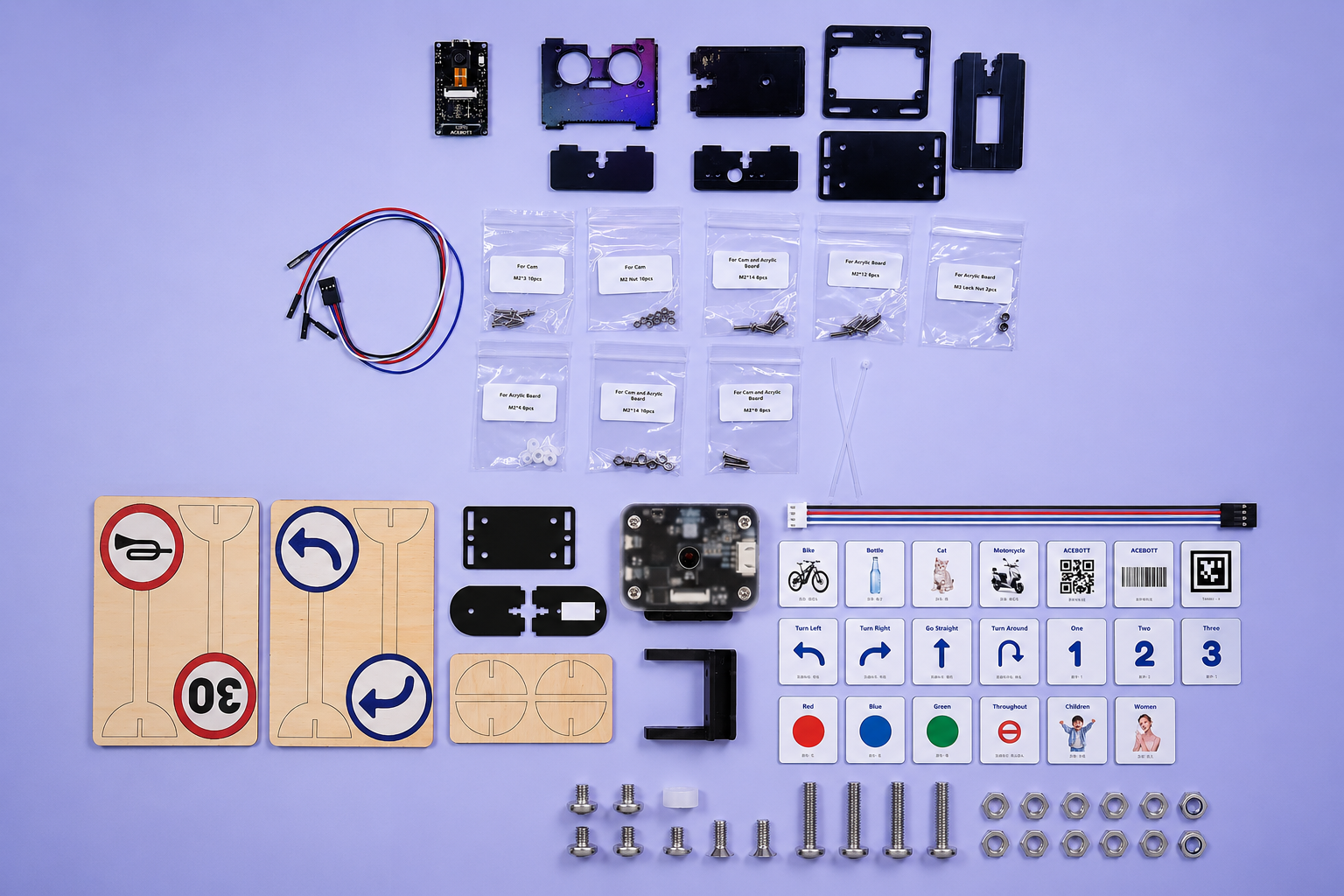
When I opened the boxes, it was immediately clear that these weren’t just minor upgrades.
The QD002 Camera Expansion Pack introduced a camera system that would allow the car to transmit live video, while the QD003 AI Vision Expansion Pack added an entirely new layer of intelligence through computer vision and AI features.
As someone who frequently watches robotics and AI projects online, I was excited to see these technologies available in a kit that students and makers can actually build themselves.
Looking at all the components laid out on my desk, I already knew this project was going to be much more than simply attaching a few extra parts.
The Assembly Experience
Since I had already built the QD001 previously, I felt fairly confident going into the assembly process.
Of course, confidence doesn’t always guarantee perfection.
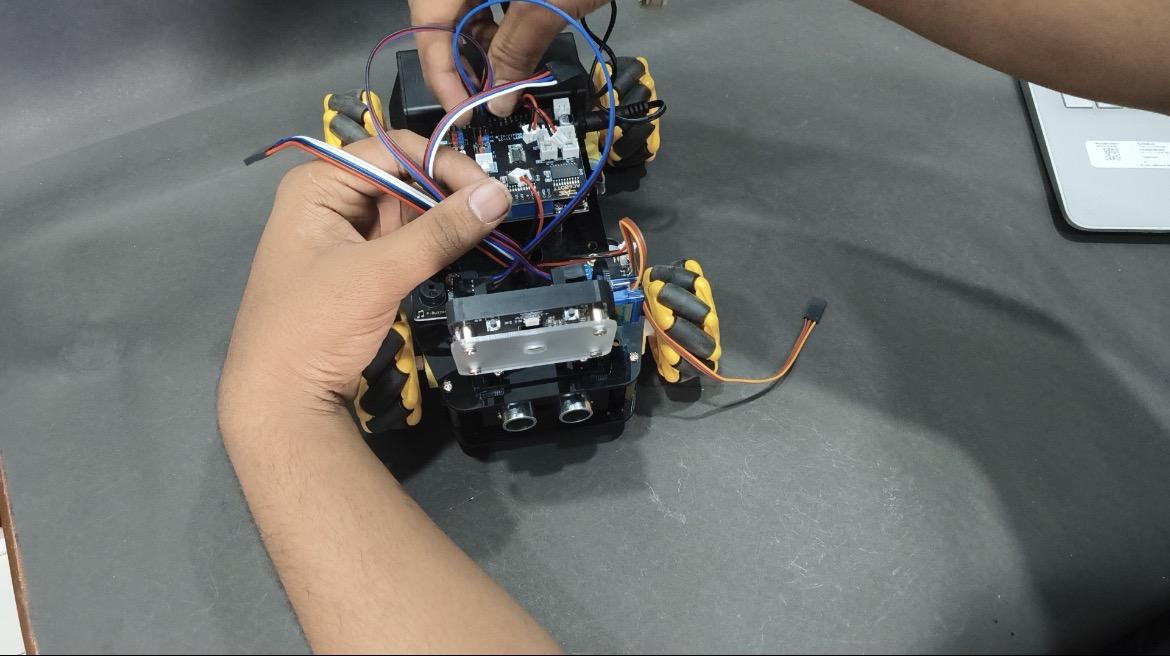
While assembling the expansion kits, I accidentally installed one of the acrylic plates in the wrong orientation. Everything looked correct initially, but later during assembly I realized some components weren’t aligning properly.
After a few minutes of confusion, I discovered my mistake.
I ended up partially disassembling the structure and rebuilding that section correctly.
Although it slowed me down a little, it actually helped me understand the robot’s structure much better. Experiences like this are one of the reasons I enjoy building robotics kits. Mistakes become part of the learning process.
By the time everything was assembled, I felt much more familiar with how the entire system worked.
The QD002 Camera Expansion Pack: Seeing Through the Robot’s Eyes
The first feature I wanted to try was the camera module.
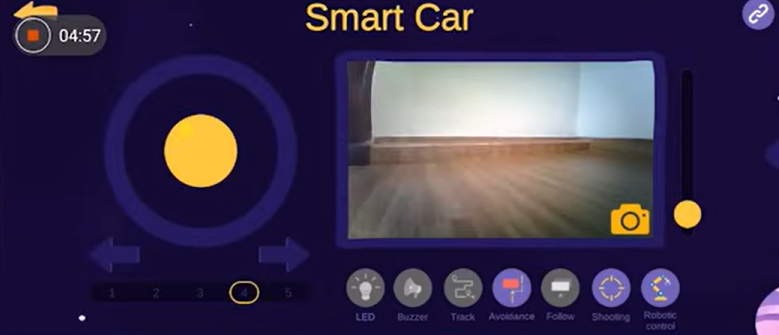
After setting everything up and powering on the robot, I opened the camera feed and immediately understood why so many robotics enthusiasts love camera-based projects.
Seeing a live video feed directly from the robot completely changes the experience.
Instead of simply controlling a robot car from the outside, it feels like you’re exploring from the robot’s perspective.
I spent quite a bit of time driving the car around and watching the live feed as it moved through different areas. Even though it’s a relatively simple concept, it makes the robot feel much more interactive and engaging.
For students interested in robotics, computer vision, or remote-controlled systems, this feature alone opens up many exciting possibilities.
Where Things Got Really Interesting: The QD003 AI Vision Expansion Pack
While the camera module was impressive, the AI Vision Expansion Pack was the part that truly amazed me.
Artificial Intelligence often sounds complicated and intimidating, especially for beginners. Before using the kit, I expected the setup to be difficult and the features to require extensive configuration.
Thankfully, my experience was quite different.
Once everything was running, I started exploring the various AI vision functions included in the kit.
The first feature I tested was face recognition.
Watching a robot identify a face in real time is one of those moments that instantly grabs your attention. It’s easy to read about AI online, but seeing it work directly on a robot you’ve built yourself is a completely different experience.
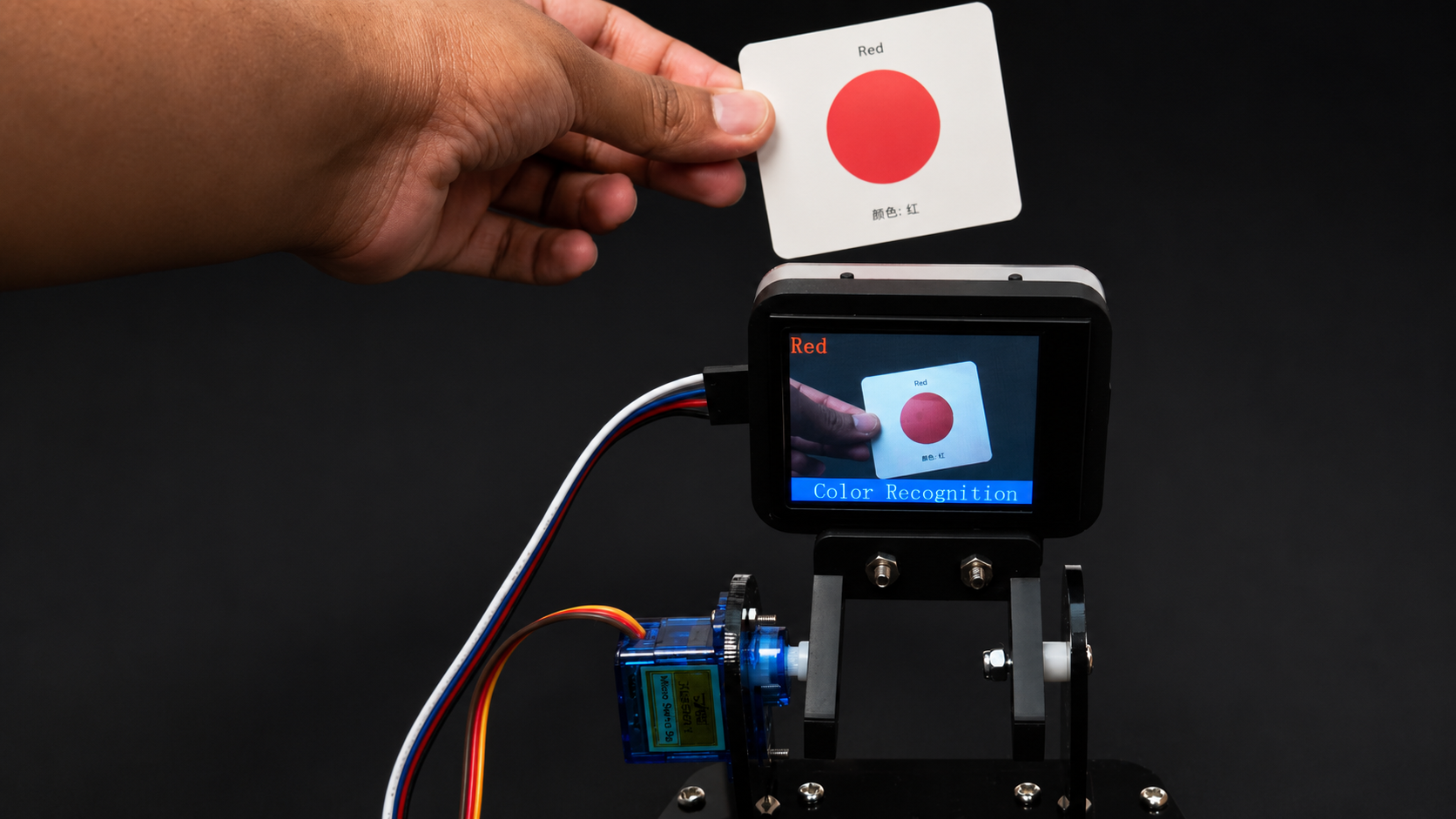
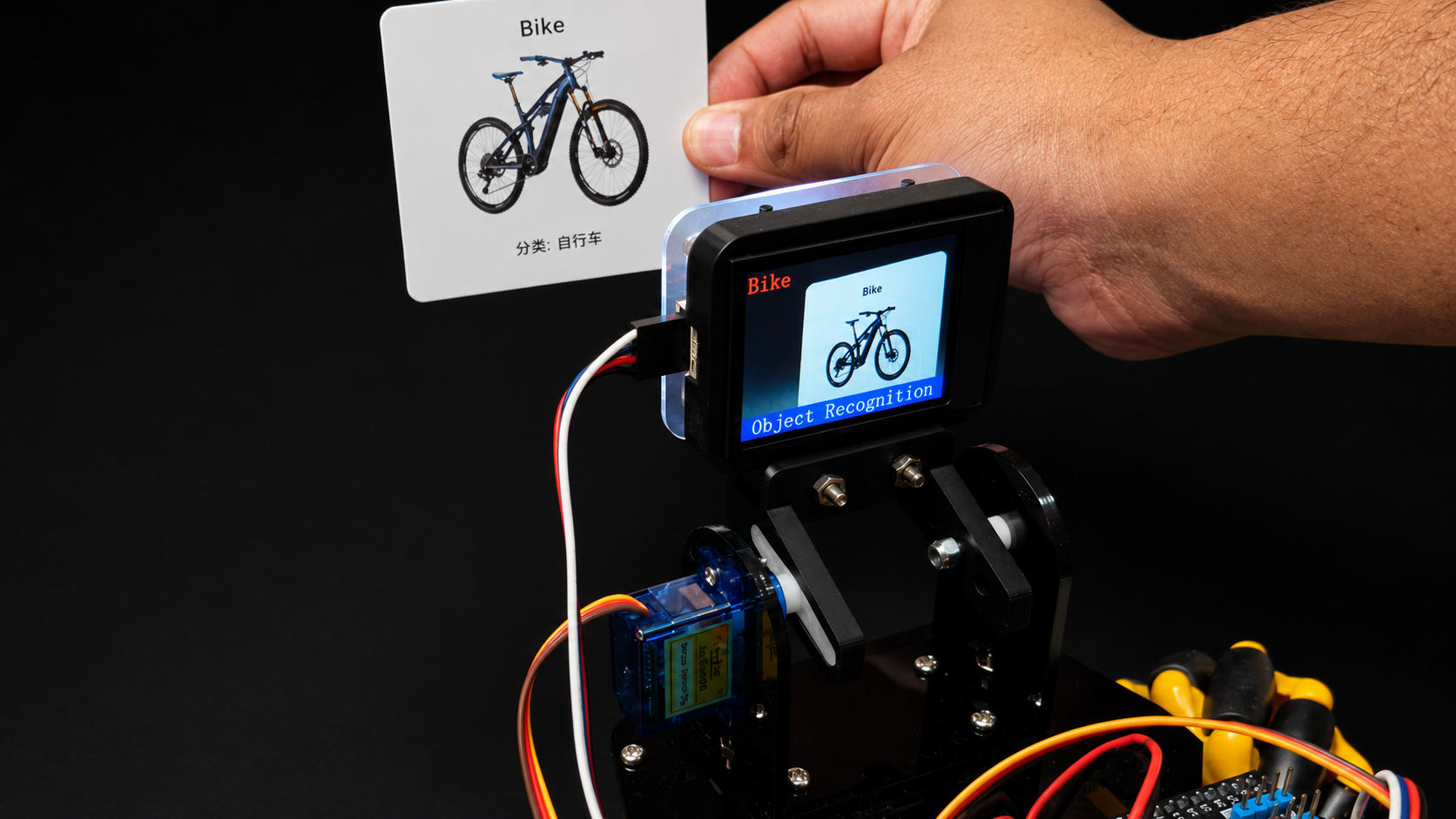
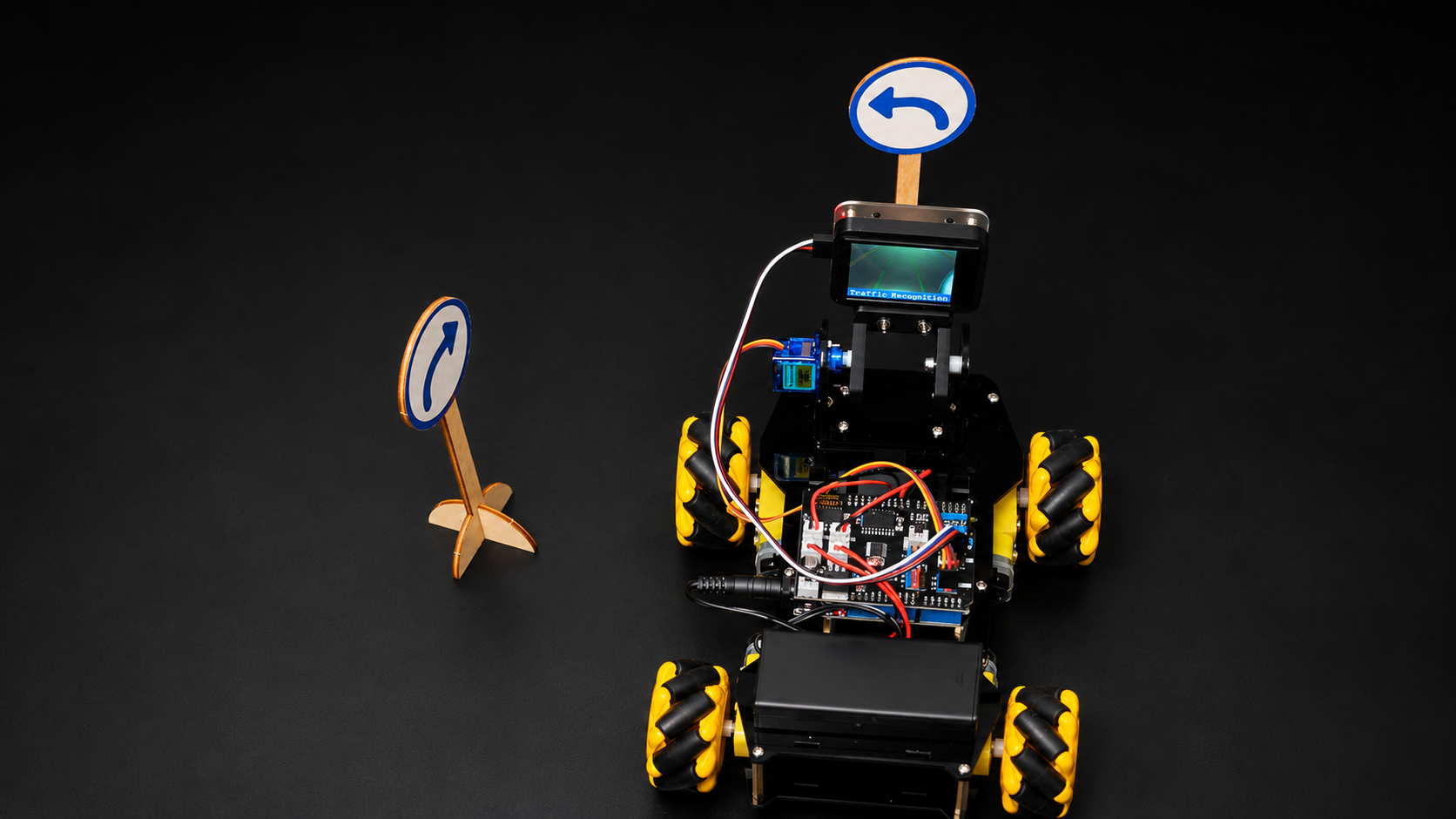
From there, I explored color recognition, QR code recognition, and traffic sign recognition.
Each feature felt like opening a new door into the world of artificial intelligence.
What impressed me most wasn’t just that these functions existed—it was how accessible they felt. Instead of spending weeks learning advanced AI frameworks, I was able to experience practical AI concepts through a hands-on robotics project.
For students who want to understand AI beyond theory, this is an incredibly valuable learning experience.
Ready to experience AI vision on your own ESP32 robot?
The QD003 AI Vision Expansion Pack is available now — no coding experience required.
Programming Experience
Like many makers, I initially decided to work with Arduino IDE.
Since I’ve been using Arduino for quite some time, I already had many libraries installed on my computer.
However, this created a small challenge.
While setting up the project, I encountered library conflicts because some of the required libraries already existed on my system. After spending some time troubleshooting, I discovered the issue, removed the older versions, and imported the ACEBOTT libraries instead.
The problem wasn’t particularly difficult to solve, but it reminded me how library management can occasionally become frustrating when working with multiple projects.
Interestingly, this experience made me appreciate ACECode even more.
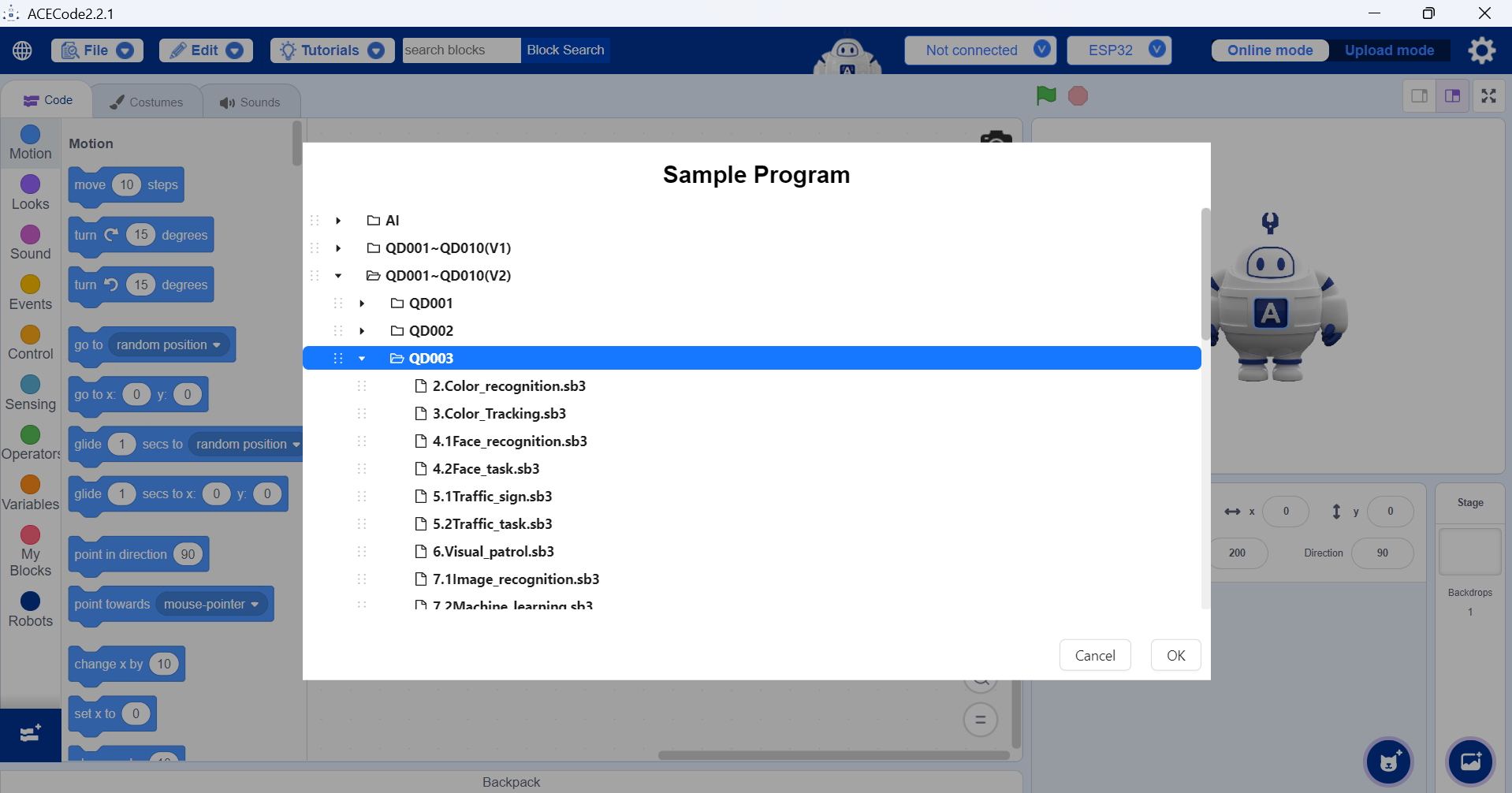
Personally, I found ACECode to be the smoother option for getting started. Instead of worrying about library installations and dependency issues, I could simply select the board, upload the example program, and start testing features almost immediately.
For beginners, students, and anyone new to robotics, ACECode provides a much more beginner-friendly experience.
What Surprised Me the Most
If someone asked me what surprised me most about these expansion packs, my answer would be simple: the AI Vision features.
The camera system was excellent, but I expected it to work well.
The AI functions were what truly exceeded my expectations.
I didn’t expect such a compact educational platform to include face recognition, color tracking, QR code recognition, and traffic sign recognition in such an approachable way.
Every time I tested a new feature, I found myself thinking about additional possibilities and future projects.
That’s usually a good sign that a product has succeeded in doing what educational technology should do—it inspires curiosity.
Who Should Try These Expansion Packs?
After spending time with both expansion kits, I believe they are ideal for:
- Students interested in robotics and AI
- STEM education programs
- Arduino enthusiasts
- Robotics clubs
- Makers who enjoy experimenting with new technologies
- Beginners looking for a practical introduction to computer vision
The combination of mechanical assembly, programming, electronics, and artificial intelligence creates a learning experience that goes far beyond simply building a robot.
One Feature I’d Love to See in the Future
If I could add one more feature to this robot, it would definitely be a camera module with even more advanced AI capabilities along with a dedicated remote controller.
The current camera system already provides a great experience, but adding features such as more advanced object recognition, custom AI model training, and enhanced first-person control could make the platform even more powerful for learning and experimentation.
A dedicated physical controller would also make driving the robot feel more immersive and enjoyable, especially during demonstrations and classroom activities.
That being said, the robot is already packed with functionality. These additions would simply make an already impressive platform even more exciting.
Final Thoughts
When I first built the ACEBOTT QD001 Smart Car, I thought I was building a simple robotics project.
After adding the QD002 Camera Expansion Pack and the QD003 AI Vision Expansion Pack, it felt like I had transformed that project into a mobile AI laboratory.
The ability to combine robotics, live video streaming, programming, computer vision, and artificial intelligence in a single platform makes this one of the most educational projects I have worked on recently.
More importantly, it reminded me why I enjoy technology in the first place.
Every new feature sparked new questions, new ideas, and new possibilities.
For students and makers who love exploring technology through hands-on learning, these expansion packs offer an exciting opportunity to move beyond basic robotics and step into the world of AI-powered innovation.
And for me, that’s exactly what made this project so memorable.